What Are the Building Blocks of Proteins? Amino Acids Explained
Protein shows up on nearly every nutrition label and fitness plan, but few people stop to ask what protein is actually made of. The answer comes down to amino acids, the small molecular units that link together to form every protein in your body, from the muscle fibers you build in the gym to the enzymes that digest your food. Understanding amino acids is the key to understanding why protein quality matters just as much as protein quantity.
This topic sits at the foundation of nutrition science, which is why it comes up so often for anyone using a longevity AI app to fine-tune their diet. This article breaks down what are the building blocks of proteins, the different categories your body relies on, how they link together to form proteins, and how to make sure your diet supplies everything you need.
What Are the Building Blocks of Proteins (Amino Acids)
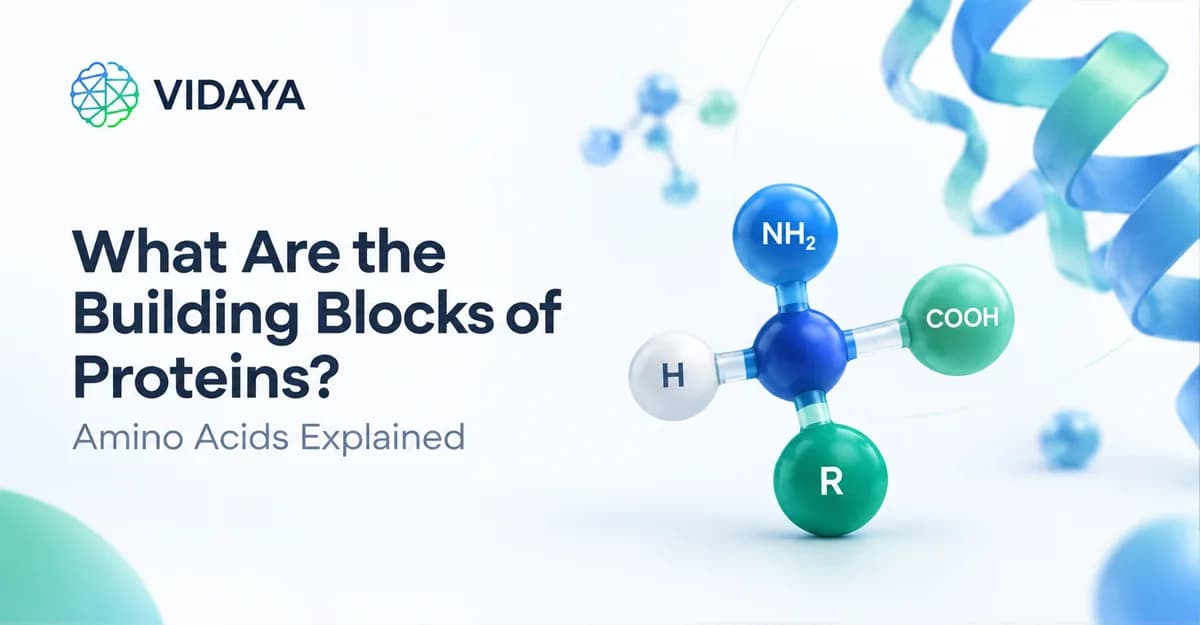
Amino acids are small organic molecules that serve as the fundamental building blocks of every protein in the human body. Each one contains a central carbon atom attached to an amino group, a carboxyl group, a hydrogen atom, and a variable side chain known as the R-group. That side chain is what makes each amino acid chemically unique and gives every protein its specific shape and function.
Your body uses 20 standard amino acids to build the thousands of different proteins that keep you alive, from hormones and antibodies to the structural collagen in your skin and joints. The particular sequence in which these amino acids are strung together determines what a protein does and how it folds, which means changing even one amino acid in the chain can alter how the entire protein functions.
The Three Categories of Amino Acids
Not all amino acids are treated equally by the body. They fall into three distinct categories based on whether your body can produce them on its own:
Essential amino acids (9 total)
Your body cannot synthesize these, so they must come entirely from food. They include histidine, isoleucine, leucine, lysine, methionine, phenylalanine, threonine, tryptophan, and valine.
Nonessential amino acids (11 total)
Your body can produce these internally from other compounds, so a dietary source isn't strictly required.
Conditionally essential amino acids
Normally nonessential, but they become essential during illness, physical stress, or periods of rapid growth. Arginine, for example, becomes more critical during wound healing.
Because essential amino acids must come from your diet, they are the category most people need to actively track when planning meals.
Read More: AI DEXA Scan Analysis App
What Do the Essential Amino Acids Actually Do?
Each essential amino acid has a distinct job in the body, and deficiencies in any one of them can affect multiple systems at once:
Leucine drives muscle protein synthesis and repair, making it especially important for athletes and anyone recovering from exercise.
Lysine supports calcium absorption, hormone production, and connective tissue formation.
Tryptophan is a precursor to serotonin, which regulates mood, appetite, and sleep.
Methionine supports metabolism, detoxification, and the absorption of minerals like zinc and selenium.
Threonine forms a major component of structural proteins such as collagen and elastin.
Phenylalanine converts into neurotransmitters, including dopamine and norepinephrine.
Histidine, isoleucine, and valine round out the group, supporting immune function, energy regulation, and muscle metabolism respectively.
This is exactly the kind of detail a Vidaya longevity AI app can help translate into practical meal choices, rather than leaving people to memorize a list of nine unfamiliar names. Instead of guessing whether a day's meals covered every essential amino acid, users can see the gaps mapped out clearly and adjust before a shortfall becomes a pattern.
How Amino Acids Link Together to Form Proteins
Amino acids don't work in isolation. They link together through peptide bonds, chemical connections formed when the carboxyl group of one amino acid joins the amino group of another, releasing a water molecule in the process. A chain of amino acids linked this way is called a polypeptide, and one or more folded polypeptide chains make up a functional protein.
The specific order of amino acids in the chain, known as the primary structure, determines how the protein folds into its final three-dimensional shape. That shape, in turn, determines what the protein can do, whether it's transporting oxygen as hemoglobin, speeding up chemical reactions as an enzyme, or providing structural support as collagen. Even a single incorrect amino acid in a critical position can disrupt folding and impair or eliminate the protein's function entirely.
Read More: BUN-to-Creatinine Ratio: How to Calculate and Understand Your Results
Complete vs. Incomplete Protein Sources
Because essential amino acids must come from food, the source of your protein matters. Foods are generally classified into two groups based on their amino acid profile:
Complete proteins
They contain all nine essential amino acids in sufficient amounts. These include animal-based sources like meat, fish, eggs, and dairy, along with soy, which is one of the few plant-based complete proteins.
Incomplete proteins
These are missing adequate amounts of one or more essential amino acids. Grains are typically low in lysine, while legumes tend to be low in methionine.
People following plant-based diets can still meet their full amino acid needs by combining complementary incomplete proteins throughout the day, such as beans with rice or hummus with whole-grain bread. The combinations don't need to happen in the same meal, as long as a variety of protein sources are eaten across the day. Logging these combinations in a longevity AI app can help confirm that a plant-based eating pattern is genuinely covering all nine essential amino acids over time, rather than relying on assumptions about which foods pair well together.
Why This Matters for Everyday Health
Amino acid needs aren't static. They shift with age, activity level, illness, and life stage, which is why understanding the building blocks of protein is more than an academic exercise. Athletes need more leucine-rich protein to support muscle repair, older adults often require higher overall protein intake to preserve muscle mass, and people recovering from illness may suddenly need conditionally essential amino acids they previously produced on their own.
This is where a Vidaya longevity AI app becomes genuinely practical. Vidaya can help users connect their dietary intake to markers like muscle mass, recovery, and overall metabolic health, making it easier to spot when amino acid intake might be falling short rather than relying on guesswork. Seeing these patterns over time turns abstract biochemistry into decisions you can actually act on at the grocery store or dinner table.
Conclusion
Amino acids are the true building blocks of every protein in your body, and understanding how they work explains why protein quality, not just quantity, deserves attention. With nine essential amino acids that must come from food, eleven your body makes on its own, and a handful of conditionally essential ones that shift with life circumstances, getting a complete amino acid profile requires some awareness of where your protein comes from. Whether you rely on complete animal proteins, thoughtfully combined plant sources, or a Vidaya longevity AI app to track your intake over time, understanding amino acids gives you a genuine head start on building a diet that actually supports your body's needs.
Frequently Asked Questions
Recommended Reading
Hand-picked health intelligence connected to this topic.
Is Creatine Vegan? What Athletes and Fitness Users Should Know
BUN-to-Creatinine Ratio: How to Calculate and Understand Your Results
How Vitality AI Health Actually Works: The Architecture Behind Personalized Health Intelligence
A technical look at how Vitality AI Health aggregates wearables, blood panels, DEXA scans, and DNA data into one personalized health intelligence layer, and why data completeness is the whole game.
Get notified of new posts
Join 100+ health-conscious readers. No spam, just new articles on longevity and optimization.